
pls marketing agency
We help brands grow through strategic marketing, powerful visual content, and impactful events.
Dream Impact Team and PLS Advertising are Muscat‑based creative agencies delivering branding, digital marketing, events, and influencer campaigns for leading brands in Oman.


بيش از 100 هزار کاربر فعال
More than 10 active projects
Currently managing over 10 active projects.


pls marketing agency
Our services
We design and execute memorable events that connect brands …
We design and execute memorable events that connect brands …
We design and execute memorable events that connect brands …
About Us
pls marketing agency
dream impact team
Founded in 2022, Dream Impact Team was established with the vision of creating impactful events and exhibitions that connect brands with their audiences through memorable experiences.
Customer Satisfaction
Where Creativity Meets Results
We combine strategy, creativity, and professional execution to help brands grow, stand out, and create real impact in the market.
Creative & Professional Team
Our team consists of creative professionals in marketing, design, content production, and event management, working together to create impactful brand experiences.
Reliable & Trustworthy
We deliver projects with precision, professionalism, and attention to detail, ensuring every campaign and event meets the highest standards.
View Full Portfolio
Featured Projects
Explore some of our recent creative projects, from luxury events and brand campaigns to digital marketing and content production.
A creative production by our team, delivering high‑quality visuals that bring ...
A creative production by our team, delivering high‑quality visuals that bring ...
A creative production by our team, delivering high‑quality visuals that bring ...
Bridge Smart Office offers a professional, secure, and commitment‑free meeting space ...
A dynamic fitness content shoot showcasing high‑energy workouts, strong visuals, and ...
A romantic lifestyle photoshoot capturing elegant couple moments at Centara Hotel ...
Who We Are
Dream Impact Team and PLS Advertising are Muscat‑based creative agencies specializing in branding, digital marketing, content production, and influencer‑driven campaigns.
Founded in 2022, Dream Impact Team was established with a clear vision: to create impactful events, exhibitions, and brand experiences that connect companies with their audiences in meaningful and memorable ways. With deep involvement in the advertising and social media industry, we quickly recognized a growing demand for strategic, high‑quality marketing solutions in Oman.
This insight led to the creation of PLS Advertising — a dedicated agency focused on delivering high‑impact campaigns, innovative digital strategies, and creative solutions that help businesses grow and compete in today’s fast‑evolving market.
Together, Dream Impact Team and PLS Advertising bring a powerful combination of:
- Strategic thinking
- Creative execution
- Local market understanding
- A strong network of influencers, creators, and industry partners
We proudly serve clients across various sectors including fashion, beauty, hospitality, real estate, and food & beverage — helping brands stand out through distinctive storytelling, cinematic content, and results‑driven marketing.
Our mission is simple:
To empower brands with creativity, innovation, and meaningful connections that drive real impact.
Attendees’ Reviews
Positive feedback from event participants
4,9
(Comment 240+)
Website User Satisfaction
Working with Dream Impact Team was an incredible experience. Their creativity, attention to detail, and professional execution helped elevate our brand presence far beyond expectations.
blogs and news
Fresh Updates & Expert Insights

- plsadmin1
In an era where digital presence determines business relevance, high‑quality content production has become a strategic necessity for companies worldwide. For both foreign and Omani companies, content is no longer simply a marketing accessory—it is a cornerstone of brand positioning, customer engagement, and competitive differentiation. As Oman undergoes digital transformation and international businesses increasingly enter the regional market, effective content creation strategies have become essential for reaching diverse audiences, building trust, and establishing industry authority.
This article provides an in‑depth analysis of content production practices, challenges, and opportunities for foreign and Omani companies, highlighting how organizations can create impactful, culturally adapted, and results‑driven content.
The Strategic Importance of Content Production
Content production is more than generating posts, articles, or visuals. It is a systematic process of communicating brand values, demonstrating expertise, and influencing customer behavior.
For foreign and Omani companies alike, strong content production:
- Enhances brand credibility
- Improves digital visibility through SEO
- Builds customer loyalty and trust
- Supports sales and lead generation
- Strengthens corporate identity and competitive positioning
- Facilitates cross‑cultural communication (especially important in the GCC)
As consumer expectations grow and digital channels multiply, companies must deliver consistent, high‑quality content across platforms.
Core Components of Effective Content Production
1. Content Strategy Development
The foundation of successful content production is a clear, data‑driven strategy. Companies must define:
- Target audience personas
- Content goals (brand awareness, leads, sales, engagement)
- Preferred formats and platforms
- Tone of voice and messaging guidelines
- Content calendar and workflow
For Omani companies, bilingual content strategy (Arabic and English) often plays a critical role, while foreign companies must adapt to local cultural and linguistic expectations.
2. Content Types Used by Companies
Modern companies use a diverse mix of content formats to maximize reach and engagement. These include:
- Blog posts and long‑form articles
- Social media content
- Videos and animated explainers
- Infographics and data visualizations
- Case studies and whitepapers
- Product descriptions and landing pages
- Email newsletters
- Podcasts and interviews
Each format serves different phases of the customer journey, from awareness to conversion.
3. Cultural Adaptation and Localization
One of the most important aspects for companies operating in Oman—or targeting foreign markets—is cultural adaptability. Localized content ensures relevance, builds trust, and enhances user engagement.
Key localization factors include:
- Language selection (Arabic, English, or both)
- Respect for cultural sensitivities
- Use of culturally relevant examples, imagery, and references
- Adjusting tone of voice to audience expectations
- Observing regional holidays, traditions, and values
Foreign companies that fail to localize content often struggle to connect with Omani audiences, while Omani companies entering foreign markets must adapt to global content standards.
Content Production for Omani Companies
Omani companies operate in a unique environment shaped by tradition, modernization, and increasing competition. As businesses embrace digital transformation, content production becomes essential for:
- Supporting Oman Vision 2040 goals
- Educating consumers about new services and technologies
- Promoting tourism, culture, and national identity
- Building trust in local products and brands
- Positioning Oman as a global business destination
Many Omani companies focus on content that highlights authenticity, cultural heritage, and national pride, especially in tourism, hospitality, and manufacturing sectors.
Content Production for Foreign Companies Entering Oman
For international companies expanding into the Omani market, content production must focus on:
- Local relevance
- Brand transparency
- Cultural sensitivity
- Bilingual communication
- Regional market research
In practice, this often means:
- Creating Arabic‑friendly designs and layouts
- Developing messaging that aligns with Omani values
- Adapting global campaigns to regional preferences
- Avoiding culturally inappropriate visuals or wording
Companies that invest in customized content build stronger relationships and achieve smoother market entry.
SEO‑Driven Content Production
Search Engine Optimization (SEO) and content production are deeply interconnected. Content is the primary driver of organic traffic, and SEO ensures that content reaches the right audience.
Key SEO-focused content practices include:
- Keyword research (English and Arabic)
- Optimizing blog content for search intent
- Structuring articles with clear headers and meta descriptions
- Incorporating internal and external links
- Maintaining consistent publishing frequency
- Producing high‑authority, in‑depth content
For Omani businesses, local SEO—keywords related to specific cities or regions—is especially important in service industries.
Visual Content and Multimedia Production
Omani and foreign companies increasingly rely on visual content due to its high engagement rate. Some examples include:
- Corporate videos
- Product demos
- Short social media clips
- Photography highlighting real people and places
- Motion graphics and branding animations
In Oman, visuals that incorporate local culture, landscapes, and people tend to perform exceptionally well.
Content Production Challenges
Producing high‑quality content consistently is challenging. Common issues include:
- Limited in‑house expertise
- Difficulty creating bilingual content
- Lack of long‑term content strategy
- Weak understanding of SEO
- High competition in digital platforms
- Resource limitations for video or multimedia production
For foreign companies, cultural misalignment is one of the most common and costly mistakes.
Opportunities for Content Production in Oman
Oman offers significant opportunities for companies that excel in content production due to:
- Growing digital adoption
- Youthful population with high social media engagement
- Government support for e‑commerce and digitalization
- Increasing demand for high‑quality local content
- Expansion of tourism and international trade
Companies that leverage storytelling, cultural authenticity, and digital innovation can build strong market presence.
Future Trends in Content Production
As technology evolves, companies must adapt their content strategies to remain competitive. Key emerging trends include:
- AI‑generated content with human supervision
- Personalized content experiences
- Short‑form video dominance
- Voice search content optimization
- Interactive and immersive content (AR/VR)
- Data-driven content strategies
These trends will shape the future of content creation for both Omani and foreign markets.
- plsadmin1
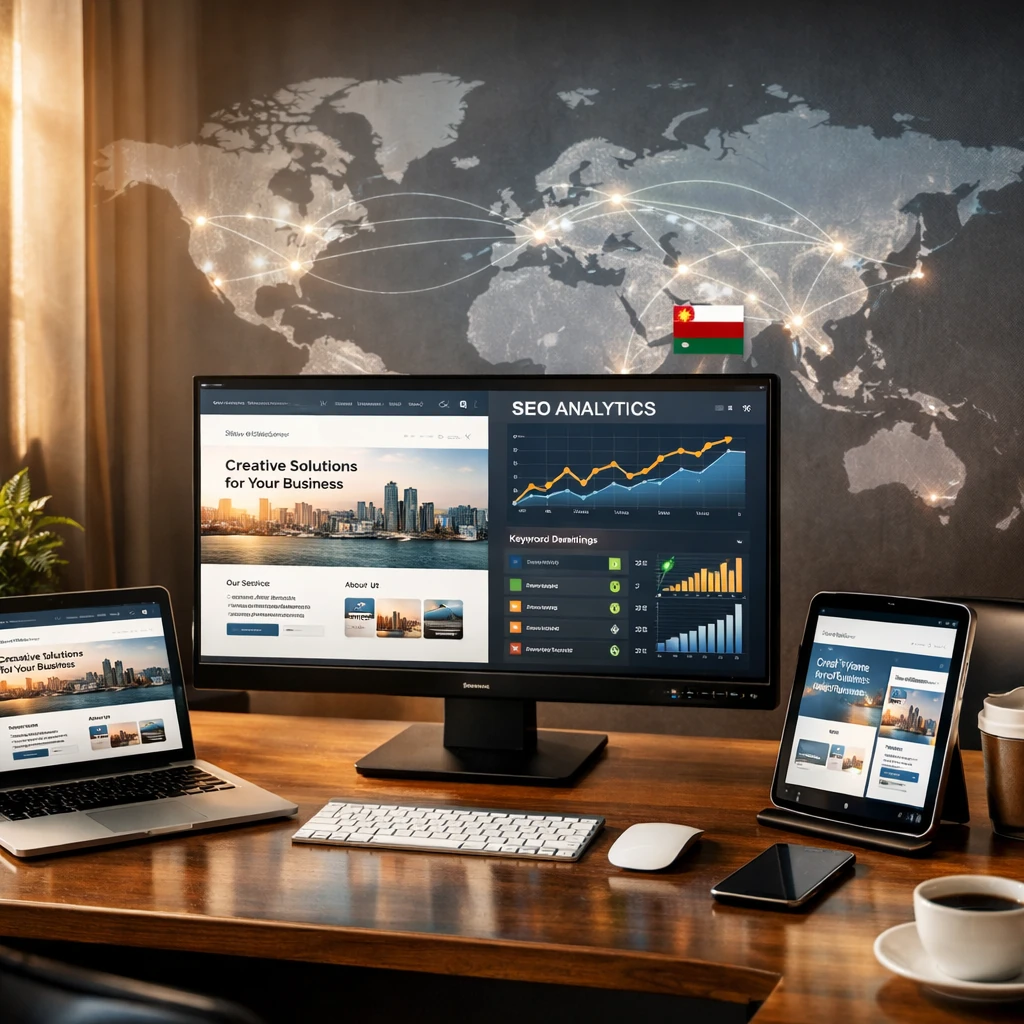
In today’s digital-driven economy, a company’s website is no longer just an online presence—it is a critical business asset. For both foreign and Omani companies, effective website design combined with strong Search Engine Optimization (SEO) strategies plays a decisive role in attracting customers, building credibility, and achieving sustainable growth.
As Oman continues to develop its digital infrastructure and diversify its economy under Oman Vision 2040, businesses—local and international—are increasingly competing in the online space. This competition makes professional website design and SEO not only desirable but essential. This article explores the importance, best practices, challenges, and opportunities of website design and SEO for foreign and Omani companies operating in regional and global markets.
The Importance of Website Design for Modern Businesses
Website design is often the first point of interaction between a company and its potential customers. A professionally designed website communicates trust, quality, and brand identity within seconds.
For foreign and Omani companies, effective website design serves several key purposes:
- Establishes credibility and professionalism
- Enhances user experience (UX) and usability
- Strengthens brand identity and recognition
- Supports digital marketing and SEO efforts
- Converts visitors into customers or leads
A poorly designed website, on the other hand, can damage a company’s reputation and result in lost business opportunities.
Key Elements of Effective Website Design
1. User-Centered Design (UX/UI)
User experience (UX) and user interface (UI) design are central to modern websites. Successful companies design their websites around the needs, behavior, and expectations of their target audience.
Important UX/UI principles include:
- Clear navigation and logical site structure
- Fast loading speed
- Mobile responsiveness
- Readable typography and balanced layout
- Accessible design for all users
For companies in Oman, bilingual or multilingual design (Arabic and English) is often a crucial requirement.
2. Mobile-First Design
With the majority of users accessing websites through smartphones, mobile-first design has become a global standard. Google also prioritizes mobile-friendly websites in its search rankings.
Omani and foreign companies must ensure that:
- Websites adapt smoothly to different screen sizes
- Mobile navigation is simple and intuitive
- Content remains readable and functional on all devices
Mobile optimization is particularly important in the GCC region, where mobile internet usage is very high.
3. Visual Branding and Cultural Adaptation
Website design must align with a company’s brand identity while also considering cultural expectations. For Omani companies, incorporating cultural elements such as colors, patterns, and imagery inspired by local heritage can enhance emotional connection with users.
Foreign companies entering the Omani market often localize their website design to reflect:
- Cultural sensitivity
- Language preferences
- Local values and business etiquette
This localization helps build trust and improves user engagement.
Understanding SEO and Its Role in Business Growth
Search Engine Optimization (SEO) is the process of improving a website’s visibility in search engine results, primarily Google. SEO allows companies to attract organic (non-paid) traffic from users actively searching for products or services.
For both foreign and Omani companies, SEO offers:
- Long-term online visibility
- Cost-effective marketing compared to paid ads
- Higher-quality traffic with strong intent
- Increased brand authority and trust
Without SEO, even the most visually appealing website may remain invisible to potential customers.
Core SEO Strategies for Foreign and Omani Companies
1. Keyword Research and Localization
Keyword research is the foundation of SEO. Companies must identify search terms their target audience uses and integrate them naturally into website content.
In Oman, effective SEO often involves:
- English keywords for international audiences
- Arabic keywords for local users
- Location-based keywords (e.g., services in Muscat or Oman)
Foreign companies targeting Oman must adapt their keyword strategy to local search behavior.
2. On-Page SEO Optimization
On-page SEO focuses on optimizing individual web pages to improve rankings and user experience. Key on-page factors include:
- Optimized page titles and meta descriptions
- Proper use of heading tags (H1, H2, H3)
- High-quality, original content
- Image optimization and alt text
- Internal linking structure
Well-optimized pages help search engines understand the website’s content and relevance.
3. Technical SEO
Technical SEO ensures that search engines can efficiently crawl and index a website. This aspect is especially important for larger corporate websites.
Key technical SEO elements include:
- Website speed optimization
- Secure HTTPS protocol
- XML sitemaps
- Clean URL structure
- Mobile compatibility
For companies in Oman, hosting reliability and server location can also influence website performance.
4. Content Marketing and SEO
High-quality content is one of the most powerful SEO tools. Blogs, articles, case studies, and service pages allow companies to demonstrate expertise and attract organic traffic.
Effective content strategies for Omani and foreign companies include:
- Educational and informative articles
- Industry-specific insights
- Local market analysis
- Multilingual content (Arabic and English)
Content that provides real value increases engagement, dwell time, and search rankings.
5. Off-Page SEO and Link Building
Off-page SEO focuses on external factors such as backlinks from reputable websites. High-quality backlinks signal trust and authority to search engines.
Common off-page SEO strategies include:
- Business directories and local listings
- PR and media coverage
- Guest blogging
- Partnerships with reputable organizations
For Omani companies, local backlinks from trusted regional sources can significantly improve SEO performance.
Differences Between Omani and Foreign Company SEO Strategies
While core SEO principles are universal, implementation may differ between local and international companies.
Omani companies often focus on:
- Local SEO and Google Maps optimization
- Arabic-language content
- Building trust within a smaller market
Foreign companies operating in Oman typically focus on:
- Market localization
- Cultural and linguistic adaptation
- Competing with established local brands
Understanding these differences allows companies to tailor their digital strategies effectively.
Challenges in Website Design and SEO
Despite the advantages, companies face several challenges in implementing successful website design and SEO strategies.
Common challenges include:
- Lack of technical SEO knowledge
- Poor integration between design and SEO
- Limited content production
- Rapid changes in search engine algorithms
- High competition in certain industries
Addressing these challenges requires continuous learning, professional expertise, and long-term investment.
Future Trends in Website Design and SEO in Oman
The future of digital presence in Oman is closely tied to innovation and technology adoption.
Emerging trends include:
- AI-driven personalization
- Voice search optimization
- Advanced UX and interactive design
- Data-driven SEO strategies
- Increased focus on local and mobile SEO
Companies that adapt early to these trends will gain a significant competitive advantage.
- plsadmin1
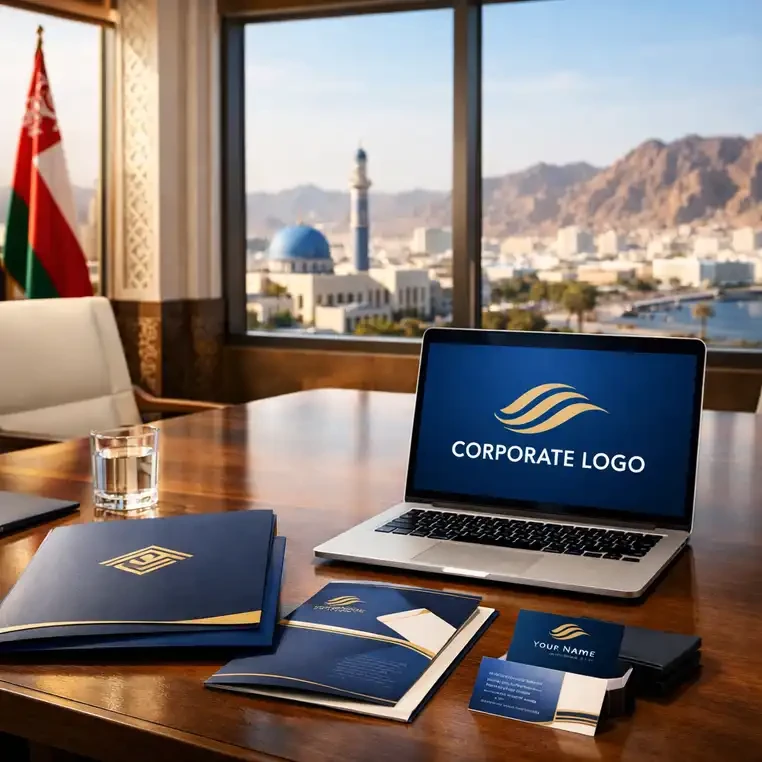
Branding has become a fundamental strategic tool for companies seeking to compete in globalized markets. In the Gulf region, particularly in Oman, businesses increasingly recognize the importance of strong brand identity to differentiate themselves, build customer trust, and expand beyond domestic markets. As Oman continues to diversify its economy under Oman Vision 2040, companies are investing heavily in branding strategies that reflect both modern business values and the country’s rich cultural heritage.
Omani companies operate in a unique environment where tradition, national identity, and rapid modernization coexist. Successful branding in Oman therefore requires balancing authentic cultural representation with global competitiveness. This article explores the branding strategies used by Omani companies, the cultural and economic factors influencing brand development, and the challenges and opportunities businesses face in building strong brands in the Sultanate.
The Importance of Branding in Oman’s Emerging Economy
Branding in Oman is becoming increasingly significant due to several economic and market factors. As the country diversifies away from oil dependency, sectors such as tourism, logistics, manufacturing, banking, and retail are expanding rapidly.
A strong brand helps companies in Oman to:
- Establish credibility and trust in a relatively small but competitive market
- Differentiate themselves from regional and international competitors
- Strengthen customer loyalty and brand recognition
- Support international expansion into GCC and global markets
- Communicate corporate values aligned with national development goals
For many Omani businesses, branding is not only about logos and visual identity but also about reputation, service quality, and long-term relationships.
Cultural Influences on Omani Branding
One of the most distinctive aspects of branding in Oman is the influence of culture and heritage. Omani brands often incorporate elements that reflect the country’s identity, such as:
- Traditional Arabic calligraphy
- Symbols related to maritime history and trade
- Desert and mountain landscapes
- Colors associated with Omani heritage
- References to hospitality and authenticity
These elements help companies create brands that resonate emotionally with local consumers while also appealing to international audiences seeking authentic Middle Eastern experiences.
For example, many tourism and hospitality brands in Oman emphasize Omani hospitality, natural beauty, and historical legacy, positioning the country as a unique travel destination in the Gulf.
Key Branding Strategies Used by Omani Companies
1. Heritage-Based Branding
Many Omani companies use national heritage as a core part of their brand identity. This strategy emphasizes authenticity and tradition while presenting products and services as rooted in Omani culture.
Examples include:
- Traditional perfume brands using frankincense (luban), one of Oman’s most famous exports
- Handicraft and artisanal businesses highlighting centuries-old craftsmanship
- Tourism brands promoting historic forts, souqs, and desert experiences
Heritage branding helps create emotional connections with consumers and strengthens Oman’s national image internationally.
2. Modern and Global Branding
While heritage plays an important role, many leading Omani corporations adopt modern branding strategies aligned with global standards. This approach focuses on innovation, professionalism, and technological advancement.
Companies in sectors such as banking, telecommunications, and logistics often use:
- Clean and modern visual identities
- Digital-first marketing strategies
- Corporate storytelling and brand values
- Strong online presence and social media engagement
These brands aim to position themselves as globally competitive organizations capable of operating beyond Oman’s borders.
3. Corporate Reputation and Trust
In Oman’s relationship-driven business culture, brand reputation is extremely important. Customers tend to value trust, reliability, and ethical business practices.
Omani companies therefore focus heavily on:
- High-quality customer service
- Transparent corporate communication
- Long-term community engagement
- Corporate social responsibility (CSR)
Building trust-based branding is particularly important in sectors such as banking, construction, and telecommunications.
4. National Identity and “Made in Oman”
Another emerging branding strategy is promoting the “Made in Oman” identity. With government support, many businesses are highlighting locally produced goods and services as symbols of national pride and economic development.
This approach helps:
- Encourage domestic consumption
- Support local industries and SMEs
- Strengthen Oman’s international reputation for quality products
Products such as dates, perfumes, fisheries, and natural products often emphasize their Omani origin as a key branding element.
Examples of Strong Omani Brands
Several companies in Oman have successfully built recognizable brands both domestically and regionally.
Omantel
Omantel, the national telecommunications company, is one of the strongest corporate brands in Oman. The company focuses on innovation, digital transformation, and connectivity while maintaining a strong national identity.
Bank Muscat
Bank Muscat is widely regarded as one of the most trusted financial brands in the country. Its branding emphasizes stability, reliability, and customer-focused services.
Amouage
Amouage is perhaps the most internationally recognized Omani luxury brand. Founded in 1983, the perfume house combines traditional Omani ingredients such as frankincense with high-end luxury branding, positioning itself among global luxury fragrance brands.
Oman Air
Oman Air’s branding reflects elegance, hospitality, and national pride. The airline uses Omani design motifs and colors to communicate both luxury and cultural authenticity.
Challenges Facing Omani Brands
Despite the progress made by many companies, Omani brands face several challenges in strengthening their global presence.
One challenge is limited international brand awareness compared to companies from larger Gulf economies such as the UAE or Saudi Arabia. Omani businesses must invest more in international marketing and brand storytelling.
Another challenge is digital transformation. While many companies are adopting digital branding strategies, some smaller businesses still rely heavily on traditional marketing methods.
Additionally, competition from multinational corporations can make it difficult for local brands to maintain strong market positions without clear differentiation.
Opportunities for Future Brand Development
The future of branding in Oman looks promising due to several factors.
The government’s Oman Vision 2040 encourages innovation, entrepreneurship, and private sector growth. This creates opportunities for new brands to emerge in technology, tourism, logistics, and creative industries.
Digital platforms also allow Omani companies to reach international audiences more easily through:
- Social media marketing
- E-commerce platforms
- global branding campaigns
Furthermore, growing interest in authentic cultural products and experiences presents a unique advantage for Omani brands that successfully combine tradition with modern branding techniques.